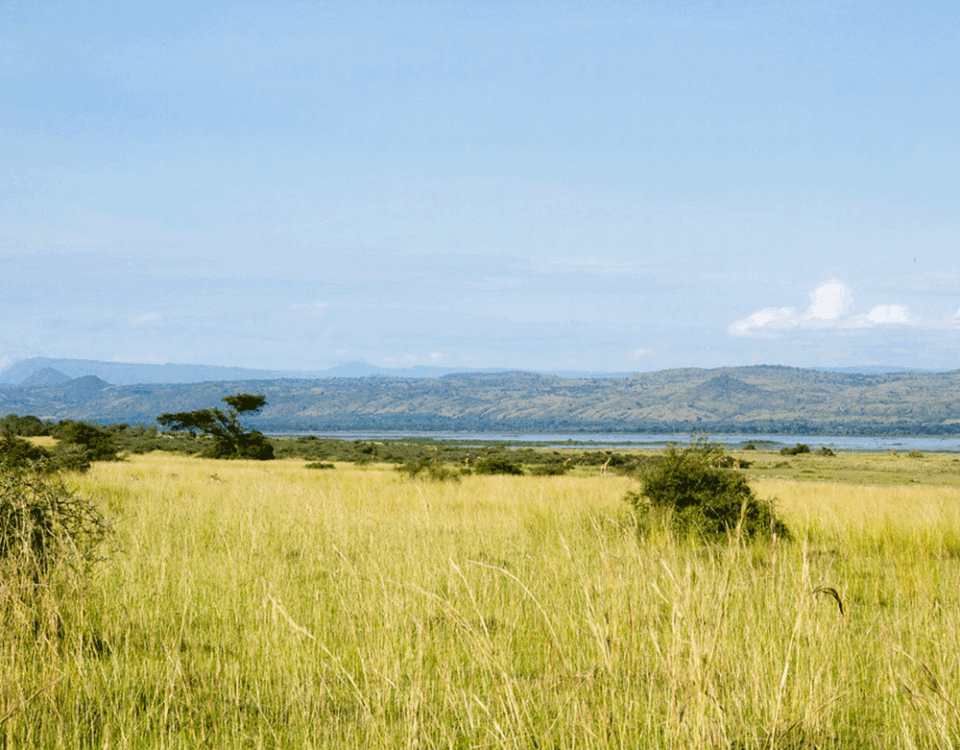
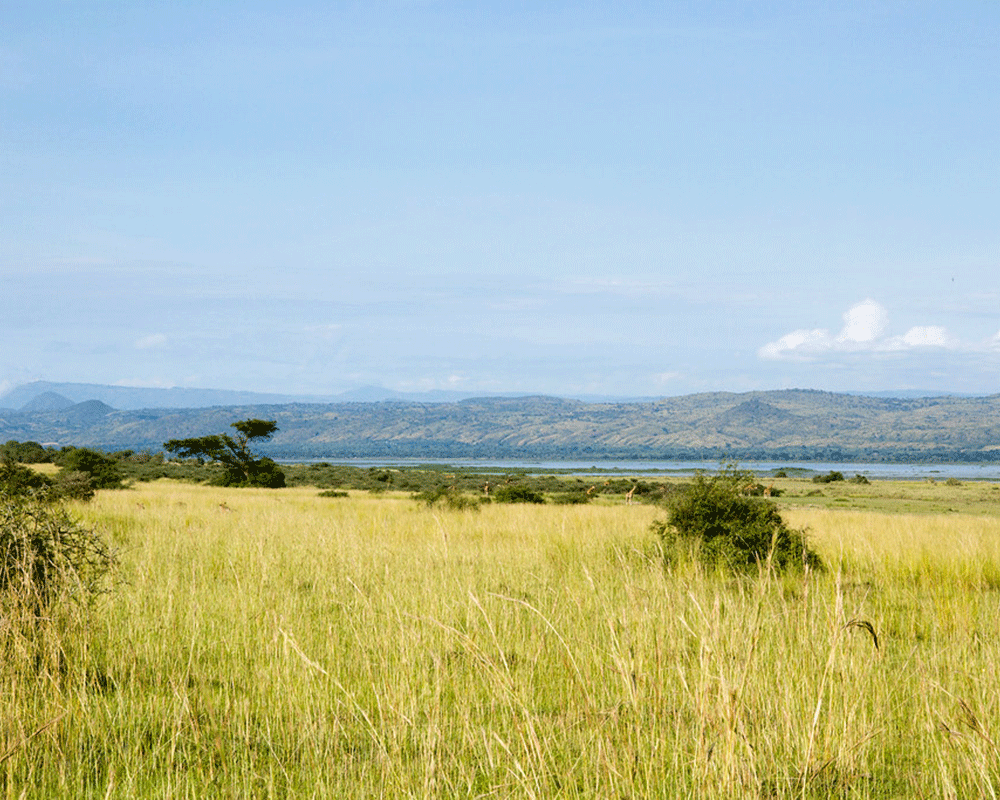
7-days-Uganda-Wildlife-Safari-Murchison-Queen-Elizabeth
May 15, 2026Planning a gorilla trekking adventure in Uganda?
This complete guide covers everything you need to know before trekking through Uganda’s ancient forests in search of endangered mountain gorillas—from where to go and how much a permit costs to the best time to visit, what to pack, what the trek is really like, and how to plan your safari.
Uganda is one of the world’s premier destinations for mountain gorilla trekking. The experience takes place in Bwindi Impenetrable National Park and Mgahinga Gorilla National Park, both in southwestern Uganda.
For travelers looking for an unforgettable wildlife experience, gorilla trekking offers something very different from a traditional game drive. Instead of watching wildlife from a vehicle, you hike through a living rainforest with experienced guides and trackers, following signs of a gorilla family until you find them.
At Trip to Gorilla Safaris, we help travelers plan gorilla trekking adventures in Uganda, including permits, transportation, accommodation and customized safari itineraries.
What Is Gorilla Trekking?
Gorilla trekking is a guided forest experience in which visitors hike through the habitat of habituated mountain gorilla families and spend a limited period observing them.
In Uganda, gorilla trekking is conducted in Bwindi Impenetrable National Park and Mgahinga Gorilla National Park. Uganda Wildlife Authority states that a trek can take approximately 2–7 hours, depending on the location and movement of the gorilla family, with visitors allowed one hour of observation once they reach the family.
The trek is more than simply seeing gorillas. It is an opportunity to experience Uganda’s forests, wildlife, local communities and conservation story.
Where Can You Go Gorilla Trekking in Uganda?
Uganda has two national parks where travelers can trek mountain gorillas.
1. Bwindi Impenetrable National Park
Bwindi is Uganda’s most famous gorilla trekking destination.
The ancient rainforest is located in southwestern Uganda and is divided into four main trekking sectors:
- Buhoma
- Ruhija
- Rushaga
- Nkuringo
The different sectors provide different landscapes, accommodation options and approaches to the forest.
Bwindi is also particularly important for mountain gorilla conservation. UWA reports that the 2018 census recorded 459 mountain gorillas in Bwindi, while updated genetic analysis is being awaited.
2. Mgahinga Gorilla National Park
Mgahinga is located in Uganda’s southwestern corner within the Virunga landscape.
It is Uganda’s smallest national park, covering about 33.7 square kilometres, but its dramatic volcanic scenery makes it a remarkable destination. The park is home to mountain gorillas as well as the endangered golden monkey.
Mgahinga has one habituated transboundary gorilla group available for tourism, according to Uganda Wildlife Authority.
How Much Does Gorilla Trekking Cost in Uganda?
The biggest cost for most international visitors is the gorilla trekking permit.
Under Uganda Wildlife Authority’s July 2024–June 2026 conservation tariff, the gorilla trekking permit was:
| Visitor category | Gorilla tracking permit |
|---|---|
| Foreign Non-Resident | US$800 |
| Foreign Resident | US$700 |
| Rest of Africa | US$500 |
| East African Community citizen | UGX 300,000 |
The same tariff lists the Gorilla Habituation Experience at US$1,500 for Foreign Non-Residents.
Important: these rates applied to the 2024–2026 tariff period. Travelers booking for dates after June 2026 should confirm the applicable current tariff with Uganda Wildlife Authority or their licensed tour operator before making payment.
The permit is only one part of the total safari cost.
Your overall gorilla safari may also include:
- Accommodation
- Transport
- Driver-guide
- Meals
- Airport transfers
- Park activities
- Community experiences
- Additional sightseeing
This is why two gorilla safari packages can have very different prices even when both include the same gorilla permit.
What Does the Gorilla Permit Include?
According to the UWA 2024–2026 tariff, the gorilla tracking rate included the guide fee, park entrance fee for the day and community development contribution.
It does not mean your entire safari is included.
Accommodation, transportation, meals and other activities are normally arranged separately as part of your safari package.
How Do You Book a Gorilla Permit?
Gorilla permits are controlled by Uganda Wildlife Authority.
UWA’s permit-management guidelines state that Foreign Non-Residents must purchase gorilla tracking permits through a tour operator licensed by the Uganda Tourism Board.
UWA also advises travelers to ensure that they receive an official proforma invoice before making payment and to use the appropriate official payment channels.
A good booking process should include:
- Choose your preferred trekking date.
- Choose the appropriate trekking sector.
- Confirm permit availability.
- Reserve the permit.
- Arrange accommodation.
- Plan transportation.
- Confirm your itinerary.
- Receive your booking documents.
For popular travel periods, it is wise to begin planning well in advance.
When Is the Best Time for Gorilla Trekking in Uganda?
Gorilla trekking is possible throughout the year.
Uganda’s climate is tropical, and Bwindi and Mgahinga can receive rainfall at different times of the year. Because these are rainforest environments, rain can occur even during periods traditionally considered drier.
Many travelers prefer the relatively drier periods because forest trails can be easier to navigate, but there is no guarantee of completely dry conditions.
One advantage of traveling during wetter periods is that Uganda can be quieter, and accommodation or safari arrangements may sometimes offer greater flexibility.
The best time ultimately depends on your priorities, budget and itinerary.
How Difficult Is Gorilla Trekking?
Gorilla trekking requires a reasonable level of physical fitness.
The difficulty is unpredictable because gorillas move through their natural habitat. One trek may involve a relatively short walk, while another can involve several hours of hiking through steep or muddy terrain.
UWA describes gorilla trekking as requiring moderate fitness and states that tracking can last approximately 2–7 hours.
You should be prepared for:
- Steep slopes
- Uneven forest trails
- Mud
- Roots and vegetation
- Changing weather
- Long periods of walking
- High-altitude terrain in some areas
You do not need to be an elite athlete, but you should prepare yourself for a genuine forest hike.
What Happens on Gorilla Trekking Day?
Your day normally begins early.
After breakfast, you travel to the designated park visitor centre or trekking point for briefing.
The guides explain the trekking procedures and conservation rules before you enter the forest.
Once inside the forest, trackers and guides look for signs of the gorilla family.
You may walk for a short time—or for several hours—before locating them.
And then comes the moment you have been waiting for.
You find the gorillas.
Watching a mountain gorilla family moving through the forest is a completely different experience from seeing wildlife behind a vehicle window.
You may see adults feeding, youngsters playing, mothers caring for infants or a silverback resting nearby.
UWA states that visitors are allocated to track specific gorilla family groups according to the approved procedures and that gorilla families are assigned to visitors at the time of tracking.
How Long Can You Stay With the Gorillas?
A standard gorilla trekking experience provides one hour of observation once you reach the habituated gorilla family.
That hour can pass surprisingly quickly.
Your guides will help you understand gorilla behaviour and how to observe them responsibly.
Gorilla Trekking Rules
Gorilla trekking is carefully regulated because the animals are endangered and disease transmission between humans and gorillas is a conservation concern.
Visitors must follow the instructions of their guides and Uganda Wildlife Authority.
Important principles include:
- Follow your guide’s instructions.
- Keep the required distance from the gorillas.
- Avoid disturbing the animals.
- Do not use flash photography where prohibited.
- Do not feed wildlife.
- Do not litter.
- Avoid visiting the forest when seriously ill.
- Respect the gorilla family’s behaviour and space.
The rules exist to protect both visitors and gorillas.
What Should You Pack for Gorilla Trekking?
A good packing list can make your trek much more comfortable.
Essential items
- Hiking shoes with good grip
- Long trousers
- Long-sleeved shirt
- Lightweight waterproof jacket
- Day backpack
- Reusable water bottle
- Hat
- Gardening or trekking gloves
- Insect repellent
- Sunscreen
- Camera
- Extra batteries or power bank
- Small snacks
- Waterproof bags for electronics
- Personal medication
What should you wear?
Wear practical clothing that can handle rain, mud and dense vegetation.
Long trousers and long sleeves are particularly useful in the forest.
Your footwear is especially important. Choose comfortable hiking shoes with good traction.
Can You Hire a Porter?
Yes. Porters can provide valuable assistance during a gorilla trek.
They can help carry your backpack and provide support on difficult sections of the trail.
Hiring a porter also provides an opportunity to support people living around the protected area.
If you do not need assistance carrying your bag, you may still choose to hire a porter as a way of supporting local livelihoods.
Bwindi or Mgahinga: Which Should You Choose?
Both destinations offer exceptional gorilla experiences, but they have different characteristics.
| Bwindi | Mgahinga |
|---|---|
| Larger gorilla trekking destination | Smaller national park |
| Four main trekking sectors | One habituated transboundary group |
| Buhoma, Ruhija, Rushaga & Nkuringo | Ntebeko/Muhavura area |
| Ancient rainforest environment | Dramatic Virunga volcanic landscape |
| More accommodation choices in several sectors | Strong combination of gorilla and volcano experiences |
UWA identifies Bwindi’s four main trekking sectors as Buhoma, Ruhija, Rushaga and Nkuringo, while Mgahinga has a single habituated transboundary gorilla group.
The best choice depends on your preferred scenery, itinerary, accommodation and permit availability.
How Do You Get to Bwindi?
Bwindi is in southwestern Uganda, and the best route depends on your trekking sector.
By road, travelers commonly travel through towns such as Kabale or Kisoro before continuing to their chosen sector.
UWA notes that the southern sectors, including Nkuringo and Rushaga, can be accessed through Kisoro, while the northern side is served through Kihihi.
For travelers with limited time, domestic or charter flights can significantly reduce road travel time.
How Do You Get to Mgahinga?
Mgahinga is accessed through the Kisoro area.
UWA indicates that the road journey from Kampala to Kisoro takes about nine hours and recommends a 4WD vehicle for the route. Scheduled and chartered flights are also available to Kisoro Airstrip.
How Many Days Do You Need for a Uganda Gorilla Safari?
For travelers focused mainly on gorilla trekking, a 3-day safari can work well.
However, Uganda offers much more than gorillas.
A longer itinerary can combine gorilla trekking with:
- Chimpanzee trekking in Kibale
- Wildlife viewing in Queen Elizabeth National Park
- Boat trips
- Murchison Falls
- Lake Bunyonyi
- Golden monkey trekking
- Rwenzori hiking
- Cultural experiences
- Birding
Example: 3-Day Gorilla Trekking Safari
Day 1: Travel to Bwindi and overnight near the trekking sector.
Day 2: Gorilla trekking and forest experience.
Day 3: Return journey or continue to another destination.
Example: 7-Day Uganda Primates & Wildlife Safari
A longer trip could combine:
Kibale → Queen Elizabeth → Bwindi → Lake Bunyonyi
This gives travelers the opportunity to experience chimpanzees, wildlife, mountain gorillas and some of southwestern Uganda’s most beautiful landscapes.
Uganda Gorilla Trekking vs Rwanda
Uganda and Rwanda are both excellent mountain gorilla destinations.
The main differences include:
- Permit pricing
- Location
- Trekking environment
- Safari combinations
- Accommodation
- Travel routes
- Overall trip budget
Uganda is particularly attractive to travelers who want to combine gorilla trekking with a broader safari experience.
You can spend time with gorillas in Bwindi and then continue to destinations such as Queen Elizabeth National Park, Kibale Forest or Murchison Falls.
The right choice is therefore not simply about the gorilla permit price—it is about the entire travel experience.
Why Choose Uganda for Gorilla Trekking?
Uganda offers the opportunity to combine mountain gorilla trekking with an unusually broad range of wildlife and adventure experiences.
A single trip can include:
Mountain gorillas + chimpanzees + lions + elephants + hippos + savannah + rainforest + mountains + lakes + local communities.
That diversity is one of the reasons Uganda is such an exciting destination for travelers who want more than one wildlife experience.
Uganda Tourism Board also promotes gorilla trekking as a major wildlife experience in Bwindi.
Responsible Gorilla Tourism
Gorilla trekking is directly connected to conservation.
Tourism creates revenue that supports protected-area management and contributes to communities around conservation areas.
The recovery of Uganda’s mountain gorilla population is a remarkable conservation story. UWA reports that Bwindi’s population increased from 300 individuals recorded in the first census in 1992 to 459 in the 2018 census.
When you book a legitimate gorilla safari, your visit becomes part of a tourism system that helps support conservation and local communities.
Responsible travelers should therefore:
- Respect park regulations.
- Follow their guides.
- Avoid littering.
- Respect local communities.
- Support legitimate local businesses.
- Avoid purchasing illegal wildlife products.
- Choose licensed tourism operators.
Frequently Asked Questions
Is gorilla trekking safe?
Gorilla trekking is a regulated tourism activity conducted with trained guides and park authorities. Visitors must follow the instructions and safety procedures provided during the briefing.
How long does gorilla trekking take?
UWA states that gorilla treks can take approximately 2–7 hours, depending on the location and movement of the gorilla family.
How long do I spend with the gorillas?
Standard gorilla tracking provides one hour of observation once you reach the gorilla family.
Is gorilla trekking difficult?
It can be physically demanding because the gorillas live in mountainous rainforest terrain. Your trek may involve steep slopes, mud and several hours of walking.
What is the best age for gorilla trekking?
Age requirements and suitability should be confirmed when booking because park regulations can change. Families traveling with children should discuss the requirements with their tour operator before making arrangements.
Do I need to book a gorilla permit in advance?
Yes. Gorilla permits are limited, and planning ahead is strongly recommended, particularly for popular travel periods.
Can I combine gorilla trekking with a safari?
Absolutely. Gorilla trekking can be combined with chimpanzee trekking, Queen Elizabeth National Park, Murchison Falls, Lake Bunyonyi, golden monkey trekking and other Ugandan experiences.
Related Uganda Safari Tours & Travel Guides
Explore more experiences from Trip to Gorilla Safaris:
- 3-Day Uganda Gorilla Trekking Safari
- 7-Day Uganda Gorilla & Wildlife Safari
- Uganda Chimpanzee Trekking Safari
- Queen Elizabeth National Park Safari
- Murchison Falls National Park Safari
- Lake Bunyonyi Travel Guide
- Mount Muhabura Hiking Adventure
- Uganda Birding Safaris
Ready to Experience Gorilla Trekking in Uganda?
A gorilla trekking safari is not simply a holiday. It is a journey into one of Africa’s most extraordinary forests and an opportunity to experience mountain gorillas in their natural environment.
Whether you want a short 3-day gorilla adventure or a longer Uganda safari combining gorillas, chimpanzees and the Big Five, Trip to Gorilla Safaris can help you design an itinerary around your interests, budget and available time.
Request your Uganda safari itinerary and quotation today.
About Trip to Gorilla Safaris
Trip to Gorilla Safaris is a Uganda-based tour operator specializing in gorilla trekking, chimpanzee trekking, wildlife safaris, birding, hiking and community-based travel experiences.
Our goal is to connect travelers with authentic Ugandan experiences while supporting conservation and local communities.
Every Trail Tells A story!